No New Mandates Without Notice or Cure Periods
Why Chicago needs a Small Business Bill of Rights (part four)
September 15, 2026 Sam McLain and Abigail Nguyen
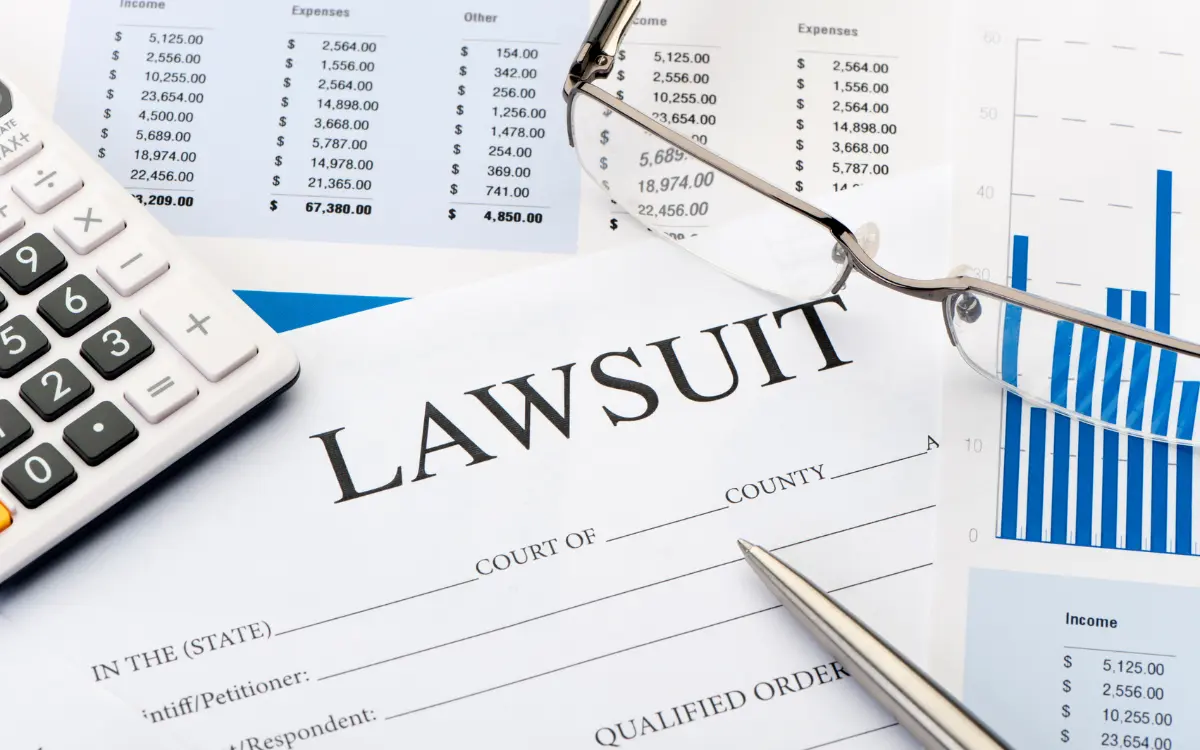
Articles 6 and 7 of the SBAC’s proposed Chicago Small Business Bill of Rights urge Chicago to give small businesses time to comply with new city mandates, as well as time to fix violations before lawsuits can occur. Lawsuits and fines can be devastating for small businesses. Cure periods and compliance windows allow businesses to resolve issues with employees, customers, or the city before facing large financial burdens.
To see one example of the City lacking protection for small businesses with new mandates, look to when Chicago implemented the Paid Leave and Paid Sick and Safe Leave Ordinance in 2024. This ordinance gave covered employees an immediate right to private cause of action for an employer failing to compensate them for paid sick leave in accordance with the new rules, with only a 16-day cure period from the time of the violation to when they could sue. The policy did not require explicit notice to employers, making it possible that some small business owners could be unaware of violations until they were sued. Worse still, the 16-day cure period requirement of the policy sunset on July 1, 2026.
Chicago should begin requiring mandatory notices before lawsuits can be filed and should extend cure periods to give small businesses sufficient time to resolve issues. Otherwise, businesses will be left scrambling to fix mistakes.
Meanwhile, Article 7 calls for Chicago to protect small businesses when new mandates are passed. Small businesses typically lack staff dedicated solely to compliance or monitoring legislation. This forces business owners and employees to multitask, pulling time from daily operations. Compliance windows would ease this burden.
Other cities have already established minimum compliance timelines. New York City’s adopted rules become effective no less than 30 days after publication. Broader or compliance-heavy policies have more extensive timelines. For example, NYC’s Commercial Waste Zone Program was signed into law in 2019. The implementation timeline for businesses began in 2025 in phases determined by areas of the city. New York City clearly lists new rules and their effective dates online, giving businesses a full two months to register for the program.
Protecting health, safety, and wages is deeply important, and any good employer is dedicated to these values. It is also important that small businesses can remedy mistakes without facing crippling financial consequences. The Chicago Small Business Bill of Rights will help avoid wounding small businesses for honest mistakes and will save the city money on enforcement costs as small businesses are given the time they need to comply.