2027 Advocacy Agenda

Our Small Business Advocacy Agenda

We champion the interests of small businesses in Washington, Springfield, and Chicago through nonpartisan advocacy and grassroots engagement.

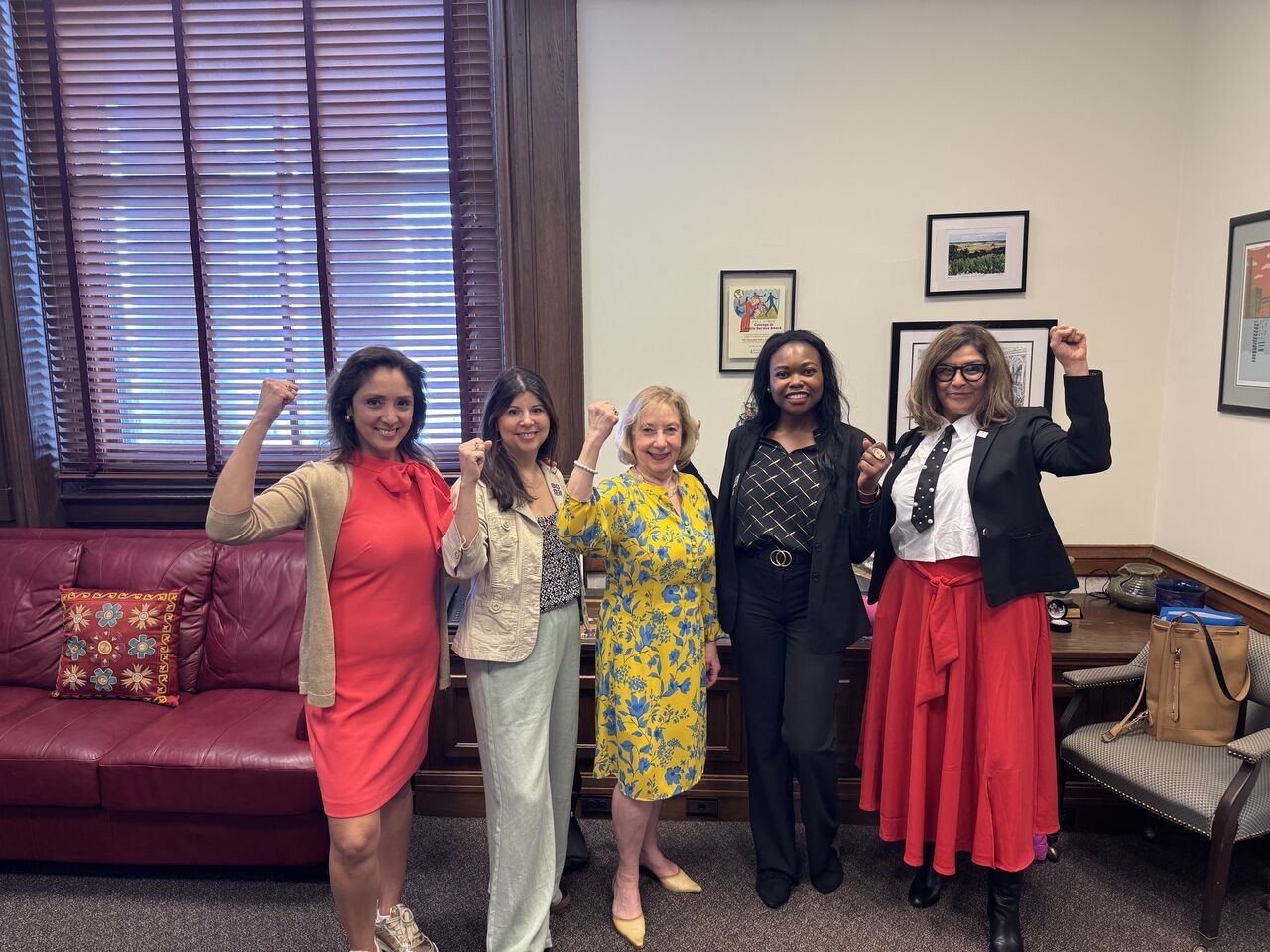
Leader Robyn Gabel with Small Business Advocacy Council members at an Illinois Powerful Women event

Jump to one of our focus areas

Our goal is to achieve a world where every small business has a fair chance to grow and thrive.

Since 2010, the Small Business Advocacy Council has pushed for common-sense policies that strengthen small businesses across Illinois. Our advocacy focuses on four areas: reducing health insurance costs, cutting unnecessary red tape, fostering shared ownership, and leveling the playing field for small business owners. Learn more about each issue area below and follow our advocacy agenda on Substack.

Reducing Health Insurance Costs

Why Is Health Insurance So Expensive for Small Businesses Right Now?

Health insurance premiums are rising rapidly for small businesses, driven largely by the underlying cost of medical care and prescription drugs. Average small group annual premiums were $7,300 per enrollee in 2024, and small group market premiums are set to increase by another 14% on average in 2027. Insurers predict that underlying medical costs will rise by nearly 11%.

$7,300average small group premium per enrollee, 2024
14%expected average small group premium increase in 2027
11%predicted rise in underlying medical costs

How Many Small Businesses Offer Health Insurance in Illinois?

35.5%

Just 35.5% of Illinois businesses with fewer than 50 employees offered small-group health coverage to their workforce in 2025.

How Can We Make Health Insurance More Affordable for Small Businesses?

The SBAC is pursuing two bipartisan reforms:

Expanding access to Association Health Plans (AHPs), which let small businesses purchase coverage cooperatively, giving them the same economies of scale as larger businesses.

Encouraging small businesses to offer Health Reimbursement Arrangements (HRAs), which reimburse employees for health insurance premiums and medical expenses.

Cutting Unnecessary Red Tape

How Does Illinois’ Regulatory Environment Stack Up Against Other States?

Illinois is the fourth most regulated state in the US. Many of these regulations provide necessary protections for consumers and the environment, but others serve only to regulate away competition. Together, these regulations cause a death by 282,040 cuts for small business owners and prospective entrepreneurs.

How Does Red Tape Impact Small Businesses?

Increased regulatory burdens lead to fewer businesses opening, fewer jobs created, and lost revenue for existing businesses. Small businesses feel the impact of regulation most acutely. Regulations often create barriers to entry that deter newer, smaller competitors.

How Do We Make It Easier for Small Businesses to Open and Grow?

There are several ways to limit the impact red tape has on small businesses. Some of our priorities include:

  • Streamlining the licensing and permitting process.
  • Creating a uniform and timely inspection process.
  • Fixing Chicago’s cumbersome debt check process.
  • Allowing small businesses to cure first-time mistakes.
  • Giving small businesses more input in the rulemaking process.

Fostering Shared Ownership

What Is the Silver Tsunami?

Illinois is home to more than 120,000 businesses owned by individuals aged 55 and older, employing more than one million workers and generating nearly $300 billion in annual revenue.

As these business owners retire without succession plans, Illinois faces a “Silver Tsunami” that could create a massive wave of business closures and job losses, particularly in rural areas and Chicago’s underserved neighborhoods.

What Is Shared Ownership?

We’re working on legislation that incentivizes two forms of shared ownership:

  • Employee ownership: Employees own a stake in the business they work for and share in its success and growth. Models include Employee Stock Ownership Plans (ESOPs), Worker-Owned Cooperatives (WOCs), and Employee Ownership Trusts (EOTs).
  • Community ownership: Community members pool their resources to collectively own, control, and redevelop neighborhood assets, such as commercial real estate, through Community Investment Vehicles (CIVs).

How Can Shared Ownership Stem the Tide of Business Closures in Disinvested Neighborhoods?

By selling to their employees, business owners preserve their legacies while keeping their company and its profits in the community.

Employee-owned businesses outperform conventionally owned businesses and are less likely to close. Their employees have longer job tenures, higher wages, and higher household wealth than employees at conventionally owned businesses.

Community ownership of commercial assets keeps wealth local and revitalizes disinvested communities.

Leveling the Playing Field

Do Small Businesses Have Sufficient Access to Capital?

In 2024, Chicagoland’s small and mid-sized businesses sought an estimated $43 billion in capital, but less than $9 billion (21%) was financed through formal lending channels. That’s a $34 billion (79%) gap. Between 2018 and 2024, small business loans rose 28%, but average loan size fell 32%, from $34,000 to $23,000. Combined, this means capital supply fell 14%.

What Happens When Capital Is Out of Reach?

Many small business owners feel compelled to turn to non-bank lenders to meet their capital needs. Unfortunately, some of these lenders use predatory practices that extract wealth from unsuspecting business owners. Some, for example, use misleading terms to disguise the fact that their loans have astronomical Annual Percentage Rates (APRs).

Are Small Businesses Protected From Predatory Lending?

The federal Truth in Lending Act does not apply to small business financing, so small business owners lack the same protections as individual consumers. We proudly support legislation that will require non-bank lenders to disclose the APR of their business loans.

Why is health insurance at the top of our advocacy agenda?

35.5%of Illinois businesses with fewer than 50 employees offered small-group health coverage in 2025.
$7,300average small group annual premium per enrollee in 2024.
14%expected average increase in small group market premiums in 2027.

Reducing Health Insurance Costs

Health insurance costs are a major challenge for small businesses and their employees. We are pursuing reforms that make it easier for small businesses to offer affordable healthcare coverage.

Read the Full Health Insurance Agenda

Small Business Health Pool Act

Our bill will allow eligible businesses and self-employed individuals to join together and access healthcare coverage through a Small Business Health Pool.

Read Our One-Pager

Small Business Health Insurance Tax Credit

Our bill will provide a two-year tax credit to businesses that offer their employees a Health Reimbursement Arrangement.

Read Our One-Pager

Cutting Unnecessary Red Tape

A buildup of unnecessary regulations and bureaucratic hurdles has made it harder for small businesses to open their doors and grow. We are working to eliminate red tape at the state and local levels.

Fostering Shared Ownership

Local ownership keeps wealth in communities and strengthens neighborhoods. We are asking the state to increase its investment in employee ownership and in shared ownership of commercial property.

Coming soon

Leveling the Playing Field

Small businesses deserve a fair shot to succeed. We are fighting to give small businesses access to affordable capital and meaningful opportunities to compete for public dollars.

Coming soon

Take Action

Add your voice to our small business advocacy agenda

Join Illinois small businesses speaking with one nonpartisan voice. Email aidan@sbacil.org with questions about the agenda.

Media

Read The Bite-Sized Business Journal

Keeping small business owners and advocates informed on the issues impacting small and local businesses across Illinois.

Thank You

Thank You to Our Partners

SBAC Partners are the core behind our advocacy initiatives and how we continue to fight for small businesses throughout Illinois.

SBAC Gold Partners

Saul Ewing LLPLexitas

SBAC Silver Partners

Rocky Top GetawayWintrust Bank N.A.Peck Ritchey, LLCByline BankRimkus

SBAC Bronze Partners

IHT Wealth ManagementInterprenetRichardson’s SeatingVon Briesen & Roper

SBAC In-Kind Vendors

Ntiva IT SupportOpen One SolutionsSpeedPro